


Specialists In Swimming Pools & Landscape Designs On Slopes & Large Acreage Blocks

Landscape Design +
Project Management


Landscape Design Services for Residential Sites
Creating Outdoor Spaces That Feel Resolved, Functional and Built to Last
Landscape design is not simply about arranging outdoor features or selecting materials.
It is about resolving how a site works — how levels are managed, how water moves, how space is used, and how each element connects to form a functional and lasting outdoor environment.
At PARC Concepts, we design outdoor spaces that are shaped by the realities of the site and the way people live within them. This approach is especially relevant for properties where conditions such as slope, scale, access or surrounding constraints influence how the landscape needs to be resolved from the outset.
When these factors are considered early, the result is not just a well-designed space, but a landscape that functions as a cohesive system over time.
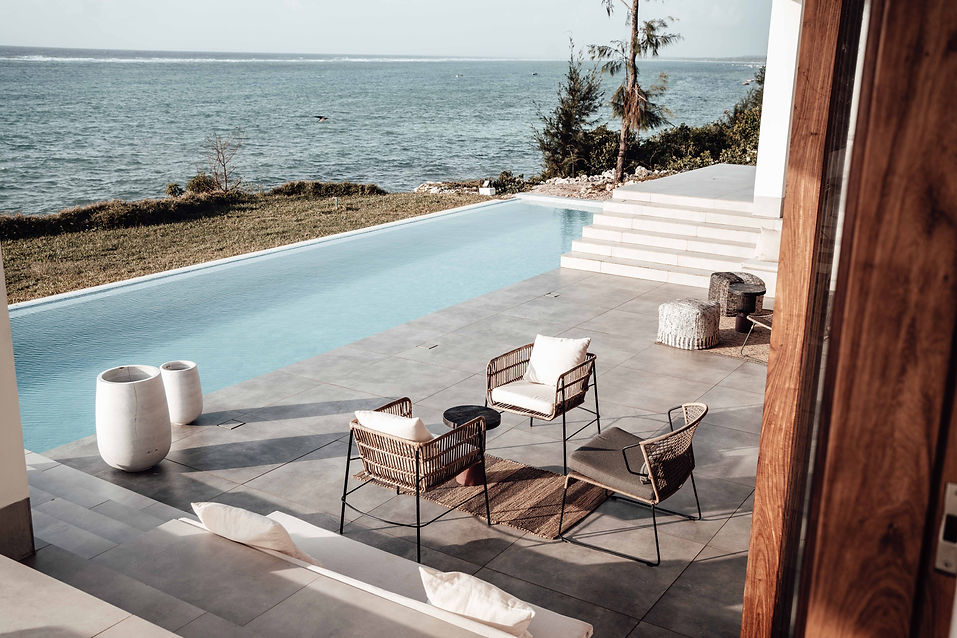

What Landscape Design Actually Does
Landscape design brings together the key elements that determine how an outdoor space performs.
This includes:
-
how levels are organised across the site
-
how drainage and water movement are managed
-
how people move through and use the space
-
how structures and planting work together
-
how the landscape connects to the home and surrounding environment
Rather than approaching these elements individually, they are resolved as part of a coordinated strategy.
This is where landscape design moves beyond appearance. It becomes a framework that supports how the space is built, used and maintained over time.
On more straightforward sites, some of these decisions can be made independently.
However, where conditions begin to interact — particularly across levels, drainage, access or approvals — resolving them together becomes critical. It is at this point that landscape design shifts from optional to necessary, ensuring decisions are coordinated rather than conflicting as the project progresses.
Designing for Real Site Conditions
Every site behaves differently.
Conditions such as slope, soil, drainage, scale and access influence what is possible — and how a landscape should be resolved.
On more complex properties, these factors do not operate independently. Decisions made about levels, layout or structures will affect drainage, usability, approvals and long-term performance.
This is particularly relevant for sites such as:
-
sloping residential land
-
larger or acreage properties
-
constrained or irregular blocks
-
sites influenced by drainage, vegetation or surrounding conditions
This becomes more evident where level change influences layout — as explored in Sloping Landscape Design
On larger properties, this extends to broader spatial planning, as outlined in Acreage Landscape Design
Understand existing conditions in Site Analysis and Ground Conditions in Landscape Design
On these sites, landscape design is not about applying a predefined solution — it is about understanding how the land behaves and resolving those conditions as part of a connected system.

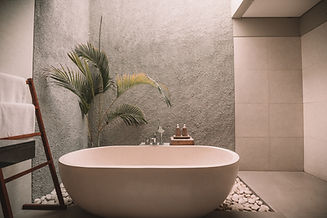
Integrating Structure, Use and Everyday Living
Outdoor spaces are not used in isolation. They are part of how a home functions day to day.
Landscape design brings together:
-
outdoor living areas
-
circulation and movement paths
-
planting and spatial definition
-
structural elements such as retaining
-
larger features such as pools or courts
These elements are most effective when they are not treated as separate additions, but as outcomes of the overall site strategy.
See how structural levels are resolved in Retaining Wall Design
See how larger features influence layout in Outdoor Recreational Court Design
For example, features such as pools are not simply placed within a garden. Their position, level and relationship to surrounding areas are influenced by site conditions, access, drainage and broader layout decisions.
This is particularly relevant for pools, where placement and levels must be resolved within the site — see Custom Pool Design & Landscape Integration
This ensures each component contributes to the overall function of the site, rather than competing for space.
Why Design Comes Before Construction
In many projects, construction decisions are made before the site has been fully resolved.
Without a clear landscape strategy, construction is often asked to solve problems that should have been addressed earlier. This can lead to:
-
inefficient layouts
-
unnecessary structural work
-
drainage issues
-
unexpected costs or rework
A design-first approach reduces this risk.
By understanding how the site functions before construction begins, key decisions can be made with greater clarity — supporting better outcomes during both approval and construction.
This process also allows for more effective collaboration with builders, contractors and consultants, ensuring the design intent can be carried through without compromise.
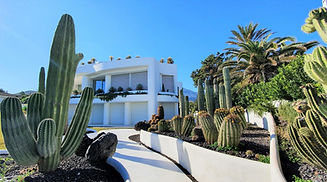

A Balanced Approach to Sustainability
Landscape design sits at the intersection of how a site is used, how it impacts its surroundings, and how it performs over time.
A well-resolved landscape achieves balance across three key areas:
-
how the space supports everyday living and use
-
how it responds to environmental conditions
-
how it can be built and maintained efficiently over time
Rather than prioritising one aspect in isolation, each project is resolved as a balance between social, environmental and economic outcomes.
This is particularly important on complex residential sites, where design decisions have a greater long-term impact on landform, water behaviour, vegetation and construction.
By working with the site — rather than overriding it — the landscape becomes more stable, efficient and easier to live with over time.
Designing for Pride, Timelessness and Connection
Landscape design is not only about resolving technical conditions — it also shapes how a space is experienced over time.
A well-designed landscape:
-
feels connected to the site and its surroundings
-
functions naturally without ongoing adjustment
-
remains usable and relevant as needs change
This is where the qualities of pride, timelessness and resonance become evident.
Pride comes from a space that is considered and well resolved.
Timelessness comes from decisions that continue to perform beyond initial construction.
Resonance comes from a landscape that feels aligned with both the site and the people who use it.
These are not applied as design styles, but emerge through how the site is understood and resolved.


When Landscape Design Interacts With Approval
Landscape design often interacts with planning and approval processes, particularly where site conditions introduce additional constraints.
This may occur where the project involves:
-
structural level changes or earthworks
-
retaining or built elements
-
drainage or water management
-
proximity to boundaries, easements or environmental constraints
Because these conditions vary from site to site, approval requirements are typically influenced by how the design responds to the site rather than the individual feature alone.
Responding to Site Constraints Beyond the Surface
In addition to physical conditions such as slope, drainage and scale, many residential sites are influenced by broader planning and environmental constraints.
These conditions are not always visible at first, but they play a significant role in how a landscape can be designed and constructed.
This can include situations where a site is affected by:
-
bushfire-prone land
-
flood-affected areas
-
heritage overlays or surrounding context
-
mine subsidence or ground stability conditions
-
existing vegetation or protected landscape features
On these sites, landscape design is not only about spatial layout, but about understanding how these constraints interact with levels, drainage, access and long-term use.
Rather than treating these factors as isolated requirements, they are considered as part of the overall site strategy — influencing where structures are located, how landform is shaped, and how the space performs over time.
See how approval considerations are assessed Landscape Features Requiring Approval


When to Consider Landscape Design
Landscape design is most effective when considered early.
This is particularly important where:
-
the site has slope or level change
-
the property is large or requires zoning
-
outdoor features are being planned alongside the home
-
approvals or construction requirements may influence layout
Introducing design early allows these factors to be resolved as part of one coordinated approach, rather than being addressed later as individual problems.
View our Service Areas
Assessing Your Site
If you're considering landscape design, understanding how your site behaves is the first step.
This includes how levels, drainage, access and space interact — and how these conditions influence what is possible.
Each project sits within a broader strategy where outdoor space is designed to work as a complete system, not a collection of individual features.
Explore whether your site is suited to this approach
Landscape Design FAQs
What does a landscape designer actually do?
A landscape designer resolves how an outdoor site functions — including levels, drainage, layout, planting and structure — rather than focusing on individual features alone.
Do I need landscape design before construction?
Yes. Early design helps coordinate key decisions and reduces the risk of rework, cost increases and layout issues during construction.
Is landscape design only for large or complex properties?
No, but it becomes increasingly important where site conditions such as slope, scale or access influence how the space needs to be resolved.
How is landscape design different from garden design?
Landscape design considers the entire site, including levels and structure. Garden design focuses more on how spaces are experienced through planting and layout within that broader framework.