


Specialists In Swimming Pools & Landscape Designs On Slopes & Large Acreage Blocks

Landscape Design +
Project Management

Landscape Design Lake Macquarie & Surrounding Areas
Designing Outdoor Spaces That Respond to Coastal Conditions, Bushland Context and Larger‑Scale Residential Land

Landscape design in Lake Macquarie is shaped by a distinct combination of coastal environments, bushland interface and larger residential properties.
These conditions vary significantly between the eastern and western parts of the region — influencing how outdoor spaces are planned, how land is used and how projects are assessed and delivered over time.
At PARC Concepts, our approach focuses on understanding these differences and resolving site conditions, constraints and use patterns as part of a coordinated design process.
A Split Landscape — Coastal Edge and Bushland Interior
One of the defining characteristics of Lake Macquarie is the contrast between its eastern coastal suburbs and the more expansive bushland and residential areas to the west.
This distinction influences how landscape design is approached.
-
Coastal locations are more exposed and lifestyle-driven
-
Western areas often involve larger sites, bushland context and broader land use
Understanding this split is key to resolving how space is used, how the landscape performs and how projects are developed over time.
Coastal Areas, Exposure and Outdoor Living
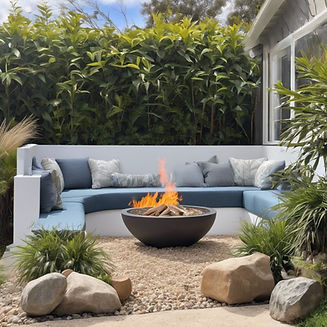
In coastal suburbs such as Redhead and Caves Beach, environmental exposure plays a significant role in long-term landscape performance.
These sites are often influenced by:
-
salt-laden winds
-
sandy or free-draining soils
-
high sun and wind exposure
-
proximity to the ocean
This directly affects:
-
planting selection and long-term survival
-
material durability and finishes
-
ongoing maintenance requirements
In these areas, planting and materials need to be selected carefully to perform under coastal conditions rather than degrade over time.
At the same time, outdoor spaces are often closely integrated with the home, with layouts shaped around:
-
entertaining
-
outdoor dining
-
pool areas
In many cases, pools are not considered optional, but part of the expected use of the property — influencing how outdoor space is organised and how levels, access and surrounding areas are resolved from the outset, rather than introduced later as a standalone feature.
See how this is approached in Custom Pool Design & Landscape Integration.
Elevated and Sloping Residential Areas
In suburbs such as Cardiff Heights, Tingira Heights and Eleebana, slope and level variation are key drivers of design.
On these sites:
-
usable space is strongly influenced by landform
-
level transitions and retaining become more prominent
-
access and construction logistics can be more complex
This affects how:
-
outdoor spaces are connected
-
circulation is resolved
-
structural and drainage systems are integrated
See how level change is resolved in Sloping Landscape Design


Western Areas — Acreage, Bushland and Site Planning
In the western parts of Lake Macquarie — including areas such as Martinsville and surrounding bushland locations — properties are often larger and more connected to natural landscape.
In contrast, eastern areas such as Jewells sit closer to the coastal edge while still reflecting some of these broader site characteristics.
These sites typically involve:
-
larger land areas
-
increased vegetation and ecological considerations
-
more complex access and construction logistics
-
greater separation between zones of use
As a result, landscape design often focuses on:
-
organising space across larger properties
-
managing access, circulation and servicing
-
reducing long-term maintenance across the site
-
staging works over time where required
See how larger properties and spatial planning are approached in Acreage & Large Garden Landscape Design
Environmental Constraints and Assessment Complexity
Across Lake Macquarie, environmental constraints often play a significant role in how projects are designed and delivered.
This may include:
-
biodiversity or vegetation constraints
-
proximity to water bodies
-
coastal or bushland interface
-
environmental protection requirements
These factors not only influence design decisions, but can also affect:
-
assessment timeframes
-
approval pathways
-
construction sequencing
When not considered early, these conditions can introduce delays or limit how the site can be developed.
Understand when site conditions may influence approvals in Landscape Features Requiring Approval


Heritage and Site-Specific Planning Controls
Certain areas within Lake Macquarie introduce additional layers of planning complexity.
In locations such as Catherine Hill Bay, planning controls may differ significantly from standard Development Control Plans, with specific requirements influencing how landscape is designed and documented — similar to the structured approach used in Master Planned Estate Landscape Documentation.
Similarly, in areas such as West Wallsend, heritage context can influence:
-
how the site relates to its surroundings
-
how outdoor space connects to existing structures
-
how materials and layout are resolved
These conditions require a more considered approach, where design responds not only to the site, but also to its planning context.
How Properties Are Typically Used in Lake Macquarie
In addition to site conditions, how properties are typically used also varies across the region.
In established residential suburbs such as Charlestown, Dudley, Whitebridge and Warners Bay, many projects are driven by long-term family use.
This often leads to:
-
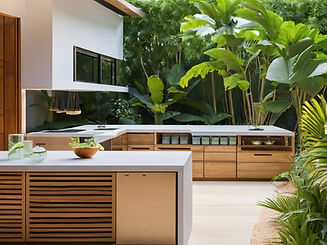
a focus on outdoor living and usability
-
integration of entertaining, dining and gathering spaces
-
prioritising connection between indoor and outdoor areas
In contrast, on larger or more remote properties, priorities may shift towards:
-
land management
-
reduced maintenance
-
balancing usable space with overall site scale
These differences influence how design decisions are made, particularly in terms of layout, scale and level of intervention across the site.

Connecting Conditions, Use and Design Outcomes
Across Lake Macquarie, the most effective landscape outcomes come from resolving:
-
site conditions
-
environmental constraints
-
how the property is used
together.
Rather than applying fixed layouts or selecting features first, the design process focuses on understanding how the land behaves and how the space needs to function over time.
Where Landscape Design Becomes Critical
On some sites, individual elements can be addressed independently.
However, across much of Lake Macquarie — where slope, coastal exposure, bushland, environmental constraints and site scale interact — resolving these factors together becomes essential.
At this point, landscape design shifts from optional to necessary, ensuring the site functions as a coordinated and long-term solution.

Related Services
Projects in Lake Macquarie often require a combination of services depending on site conditions.
Understand how the overall site is resolved through Landscape Design
See how level change and landform influence layout in Sloping Landscape Design
See how larger properties and spatial planning are approached in Acreage Landscape Design
Learn how structural levels and site changes are managed in Retaining Wall Design
Understand when site conditions may influence approvals in Landscape Features Requiring Approval
Service Areas
We provide landscape design services across Lake Macquarie, including coastal suburbs, established residential areas and larger inland properties.
Explore Service Areas
Next Step
If you’re planning a project in Lake Macquarie and want to understand how your site conditions may influence the design approach, we can assist in clarifying what is feasible and how your site can be resolved from the outset.
Explore Landscape Design
Contact us to discuss your project